Categories
LCF News

2020 LCF CSR Guild Awards Outstanding CSR Projects

Winners:

A. Program Category

1.Outstanding CSR Project in Education: Hyundai Dream Centre-Philippines (HARI Foundation, Inc.)

Date Started: April 10, 2018

Location: Calamba City, Laguna

Status: Operating

Objective: To train underprivileged young men and women in Hyundai vehicle repair and maintenance and eventual employment at Hyundai dealerships in the country

Description: HDCP is a world-class automotive training and education hub established by HARI in partnership with Hyundai Motor Company (HMC) and humanitarian organization Plan International. 1 HDCP is the fifth dream center that HMC has set up in the Asia-African region since 2013. HARI is the first Hyundai distributor to be tapped to craft Dream Centre training programs that respond to local industry needs. HDCP training programs are made up of three TESDA-certified training courses. HDCP graduates are employed as automotive technicians, service advisors, and warranty officers by Hyundai dealerships.

Scope/Scale: HDCP scholars are referrals from Hyundai dealerships and Plan International program areas (Mindoro, Masbate, Cebu, Samar, Leyte, Cotabato, and Maguindanao). HDCP has produced 174 graduates from 4 batches. The fifth batch has 43 scholars in training. 87% of the graduates are employed at Hyundai dealerships across the country.

Partner Agencies: Hyundai Motor Company (HMC), Plan International, Technical Education and Skills Development Authority (TESDA), Sisters of Mary School

__________

2.Outstanding CSR Project in Enterprise Development: Baslay Coffee Program (Energy Development Corporation)

Kaingin” is a traditional yet destructive agricultural method that has unfortunately been a way of life for many Filipinos residing in mountainous regions of the Philippines. It is one of the biggest causes of deforestation and detrimental to natural resources such as geothermal steam from beneath the earth’s surface.

Unfortunately, not only does kaingin disrupt the natural ecosystem in the area and decimate endemic flora and fauna, but it also generates carbon dioxide emissions that contribute to climate change and global warming. While locals are able to eke out a living with kaingin, such method is not sustainable and renders a lot of harmful effects not only to the environment but also to their health and well-being.

In order to address this challenge, Energy Development Corporation (EDC) developed an innovative corporate social responsibility (CSR) and shared value initiative that sought to attain behavioral change and positive stakeholder engagement among the “kaingeros” who are residents of the communities it operates in, particularly in the foothills of Mount Talinis—the largest remaining forested area in Negros Oriental—within the area of Barangay Baslay in Dauin.

EDC thus came up with the Baslay Coffee Program. Identifying coffee beans as a proper and viable agricultural produce in the high-altitude locale, the project aims to provide alternative and more sustainable means of livelihood for the people of Baslay and surrounding communities, effectively transitioning them away from a culture and business practice of kaingin and ultimately transforming them into stewards of their province’s own natural resources.

EDC’s intervention leads to greater opportunities for Baslay farmers. In 1985, the then Philippine National Oil Company (PNOC) – EDC organized these kaingineros into Baslay Farmers Association (BFAs) as a community based farmers’ organization. As a result of the 30-year reforestation program of EDC in the area, BFA had 120 hectares of coffee plantations. Due to the shortage of supply and potential room for growth in the coffee industry, EDC decided to reinforce and strengthen the coffee farming practices of Baslay farmers while safeguarding the forests.

At present, aside from being a refuge to 113 species of birds, the forest in Baslay now offers quality coffee in Central Visayas. The BFA communally owns a dense, wild, completely organic coffee forest (mostly robusta and liberica) that yields luscious red fruit not only for our coffee mill but for bats, birds, civet cats, insects, and myriads of species. They are also caregivers and forest farmers to a growing area of native trees. The BFA and the Baslay Coffee Program is proof that with strong multi-sectoral collaboration, indigenous communities can be ushered into an era of progress without sacrificing the welfare of future generations who depend on the rich natural resources of their surroundings.

___________

3.Outstanding CSR Project in Environment: “Plastic Mo, Kinabukasan Ko” Ecobrick Classroom Project (TELUS International Philippines Foundation, Inc.)

Each year, an estimated 8 million metric tons of plastic used globally in our economies leaks to the ocean. Without any interventions, there can be an approximate of 250 million metric tons of plastic in our world’s ocean in the year 2025. The Philippines is part of a small geographic area where majority of the plastic enters the ocean. In a 2019 GAIC report, an approximate of 164 million pieces of sachets is being used in the Philippines daily. TELUS International Philippines Foundation Inc. partnered with Kapampangan Manalakaran Inc in 2019 to advocate for environmental protection by addressing plastic pollution. The “Plastic Mo, Kinabukasan Ko” Ecobrick Classroom project constructed a classroom facility made of ecobricks. Ecobricks are plastic bottles filled with clean, dry plastics and other inorganic trash to a set density which can be used in lieu of concrete hollow blocks to build structures and is proven to be cooler and earthquake-resistant.

The ecobrick classroom building was completely constructed after five months in San Agustin Elementary School last November 2019. The school has a 447 student population located in Magalang, Pampanga. As part of its structure, a total of 8,848 ecobricks was used in the classroom construction which trapped at least 1,972.4 kilograms of plastics and inorganic trash and 11,834.4 carbon dioxide emissions from the environment. The “Plastic Mo, Kinabukasan Ko” Ecobrick Classroom project inculcated to the students, teachers, parents, and community leaders the value of proper solid waste segregation and disposal and the innovative possibility of what can be done with plastics and other inorganic waste which will impact the environment. With this project, we were able to advocate for environmental protection and encourage more stakeholders to convert their plastic and inorganic waste into ecobricks. This project was able to address the adverse environmental impact of plastic pollution, the issue of improper waste disposal, as well as the lack of learning facilities for the students of San Agustin, Magalang, Pampanga.

______

4.Outstanding CSR Project in Health: Water Access for a Waterless Aeta Community (Manila Water Foundation, Inc.)

According to a 2017 report by World Health Organization (WHO) and UNICEF, there are 2.1 billion people across the globe without access to safe drinking water at home. In the Philippines, 1 out of every 10 Filipinos do not have access to improved water resources and 1 of the 10 leading causes of death in the country is acute watery diarrhea (WHO, 2016). The lack of access to safe, drinking water increases the risk of contracting water-borne and communicable diseases and contributes to overall poor health.

In an indigenous peoples (IP) community in mountainous Sapang Uwak in Porac, Pampanga, Aeta members’ only water sources is a river source which is an hour away from their homes and a shallow stream that is 15 minutes away. Both the river and the stream are public spaces shared with domestic livestock and hold poor water quality which is unsafe for human consumption.

Manila Water Foundation (MWF), the social development arm of the Manila Water enterprise, has a mandate and advocacy to bring sustainable WASH (water access, sanitation and hygiene education). Sapang Uwak, a marginalized and waterless IP community, was in dire need for a reliable water access. In 2018, MWF adopted Sapang Uwak as one of its pilot communities for the WASH Program.

The Foundation rests on the theory that in order to improve quality of life, health and hygiene conditions of a community through the provision of (potable) water access and hygiene education must ensue. Access to safe drinking water is a catalyst to overall good health and wellbeing and is a stepping stone to many developmental milestones.

The WASH intervention started with the establishment of a reliable water infrastructure that taps into existing water sources and filters the water to ensure clean and safe drinking water for the residents. It rehabilitated a 12-km water system and constructed 3 water tanks and 13 common watering points (faucets) in the community. After completing the water access project in Sapang Uwak, approximately 7,560 m3* volume of clean water was delivered to the community through the new water system. Today, the water is used for drinking, bathing, cleaning and other domestic activities. As of writing, minimal to no cases of diarrhea or any water-borne illnesses were reported in Sapang Uwak. Aside from the successful establishment of a reliable water system, a Water Group composed of community leaders was established to ensure the sustainability of the WASH program. Through the Water Group’s active participation, its members now fully oversee the operation and maintenance of the facilities.

________

B. Collaboration Category

Outstanding CSR Collaboration Project: Brgy. Kulasi, Sumilao Water System Project (Coca-Cola Foundation Philippines, Inc.)

Background

While many of us take water for granted, about 15 million Filipinos in remote communities need to walk for several kilometers each day just to fetch clean water. This program was de-signed to provide water access to these underserved communities. By making safe water accessible to more families, we also reduce the incidence of water-borne diseases, ensuring that residents can live healthier, happier lives.

Brgy. Kulasi in Sumilao, Bukidnon is the poorest among the ten (10) barangays of the municipality.

Prior to this project, the community’s clean water comes from a water source in Sitio Bacolod, Lupiagan, and delivered by a 10-km pipe to a reservoir located in Purok 3 at the back of Kulasi Elementary School. This reservoir is about 750 meters away from the barangay center. It has only one communal faucet that is being used by all residents.

Del Monte Foundation Inc., who has been working with the community in the past years through health and education pro-grams, saw the need to provide a Level 2 Water System with 25 communal faucets. Coca-Cola Foundation Philippines provided grant and support through water stewardship under its Agos Program.

Project Brief

The project is a collaboration between the Coca-Cola Foundation, Inc. (CCFPI), Del Monte Foundation Inc. (DMFI), the Local Government of Sumilao, Bukidnon and Brgy. Council of Kulasi, Sumilao Bukidnon. DMFI implements the project under the technical coordination of the LGU of Sumilao through the Office of the Municipal Engineer. Brgy. Council of Kulasi and DMFI conduct the day-to- day project monitoring until the project’s turn over to the community.

The project has the following components: Community Consultation and Planning, Construction and installation of main water pipeline, lateral water pipelines and communal faucets, Formation of a Water Users’ Group, Technical Assistance.

Project Status

The project was started on August 2019 and was completed in March 2020. When before, the community must walk to a reservoir 750 meters away to line in queue for water from a single (1) faucet, the community now has 25 communal faucets strategically located near their houses.

Social Impact:

There is lesser time spent in collecting water thus resulting to more time for other economically productive activities. This also resulted in reduced personal risks during water collection.

7 families have gone back to reside in the barangay due to the availability & accessibility of water. The dwindling population due to emigration was a concern expressed during community consultation. Households are now capable of starting household crops with easy access to water.

Categories
LCF News

Insular Foundation provides hygiene kits for Cebu City schools

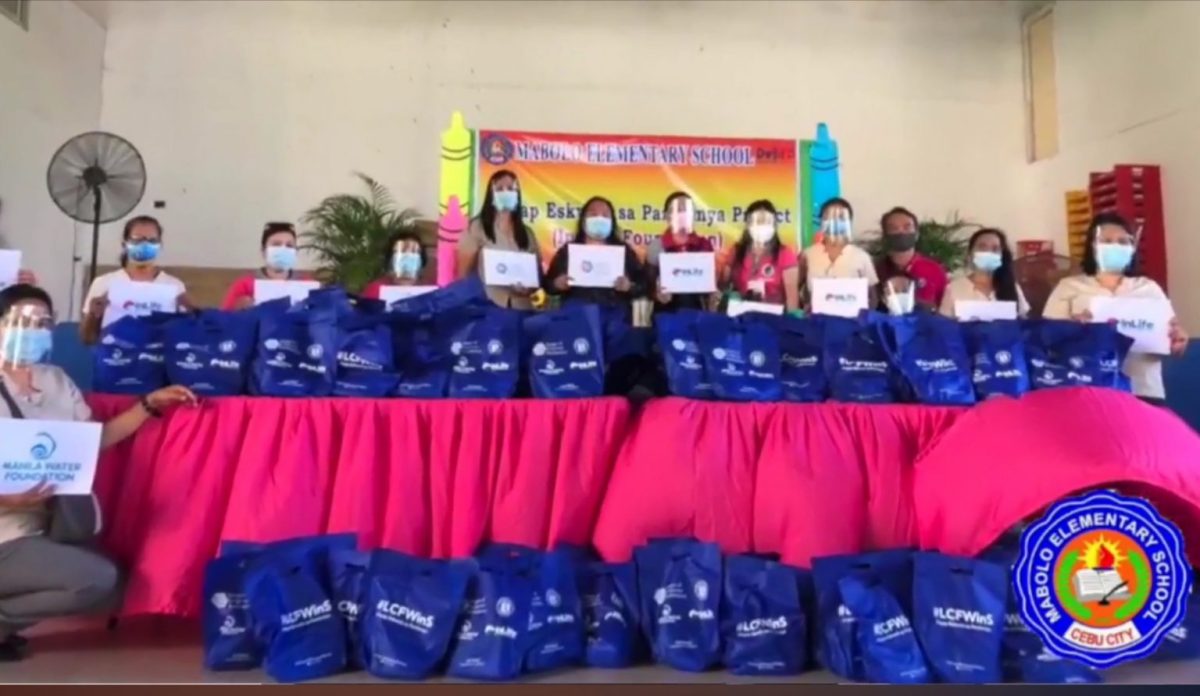
In pursuit of promoting proper hand hygiene as a first line of defense against COVID-19, League of Corporate Foundations (LCF) member and project sponsor, Insular Foundation turned over hygiene kits in Cebu City.

Under the LCFWinS: Lingap Eskwela sa Pandemya program, a total of 600 hygiene kits from Insular Foundation were given on November 26 to three public schools in Cebu City, namely Barrio Luz Elementary School, Hipodromo Elementary School, and Mabolo Elementary School. The kits contain washable face masks, soap, hand sanitizer, and oral hygiene products.

These are made possible through the partnership of Insular Foundation with the League of Corporate Foundations and its project implementer, Manila Water Foundation.

During the virtual ceremony, Teresita Melad, Program Manager of Insular Foundation, reiterated the importance of water access, sanitation, and hygiene as a a critical component to the development of our school system and community.

“In this pandemic, there is a heightened awareness among us on the importance of basic hygiene and handwashing with soap as the first line of defense against viral diseases such as [COVID-19],” she said. “That is why when LCF called out their members to collaborate in this initiative, we immediately heeded the call,” she added.

LCFWinS is a product of the collaboration of Corporations and Corporate Foundations in support to the WASH in Schools Program of the Department of Education. It also supports the Basic Education Learning Continuity Plan of the Department in this time of the Pandemic. LCFWinS is also aligned to one of the League of Corporate Foundation’s strategic pillars, Collective Impact, which is the ability to convene, participate, collaborate, and build partnerships among its members and other stakeholders toward addressing societal problems.

Categories
LCF News

Members of LCF Unite to send relief to Typhoon Ulysses victims

With Metro Manila and neighboring provinces heavily ravaged by Tropical Storm Ulysses, the League of Corporate Foundations (LCF) immediately provided help to the Municipality of Rodriguez, Rizal and Marikina City on November 14 to bring truckloads of food, water, and other essential goods for at least 2,000 affected individuals.

On November 11-12, 2020, Typhoon Ulysses brought unprecedented amount of rain and strong winds which caused severe flooding and damage to properties in areas in Metro Manila, South Luzon, and Central Luzon. This incident displaced thousands of families who were left with no choice but to stay in evacuation centers despite the still present health risk brought by the COVID-19 pandemic.

To help relieve their situation, LCF arranged a call for donations through its Committee on Disaster Resilience. Around 10 organizations were quick to respond and sent in-kind donations. Among those who collaborated for the first wave of response are OneStop Distribution, Inc.Rebisco Foundation Inc.Manila Water Foundation, and Mega Global Corp who provided food items such as biscuits, sardines, snacks, and water. While other essential items such as sleeping kits, diapers, and grocery bags were provided by Aboitiz Foundation, Inc.Medicard Found, and NYK-TDG Friendship Foundation.

Mayor Tom Hernandez of Rodriguez, Rizal, formerly known as Montalban, Rizal, personally received the donations. He expressed his gratitude towards LCF and its members who collaborated for this effort. “Maraming salamat po sa mga foundation na tumulong sa bayan ng Montalban, sa League of Corporate Foundations, sa Committee on Disaster Resilience. Maraming salamat po, napakalaking bagay po ang itinulong ninyo sa bayan ng Montalban,” he mentioned.

Aside from this initial donation, the second wave of turnover is underway in the coming week. Pledges for food items, medicines, and other essential goods were already received from Ronald McDonald House Charities, Pilipinas Shell Foundation, Inc., and Unilab Foundation.

Categories
LCF News

#LCFWinS Turnover Ceremony 3, 22 October 2020 : Holcim Philippines

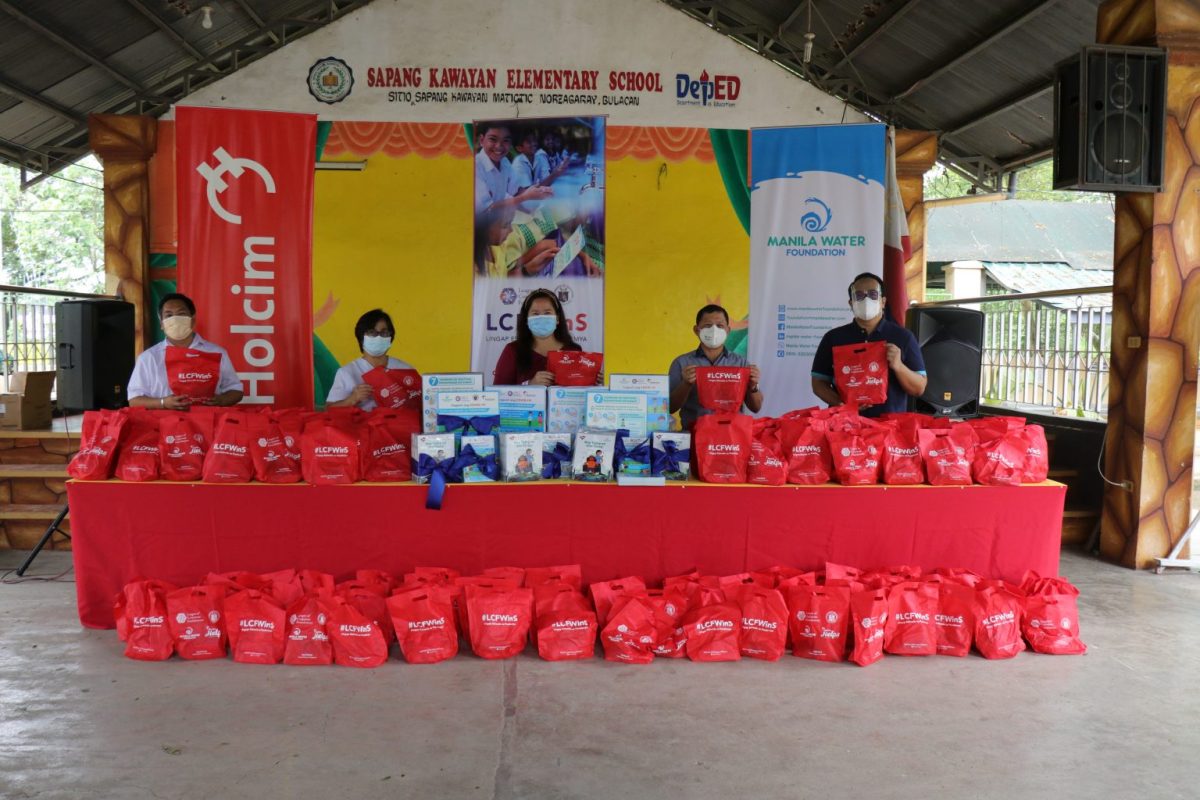
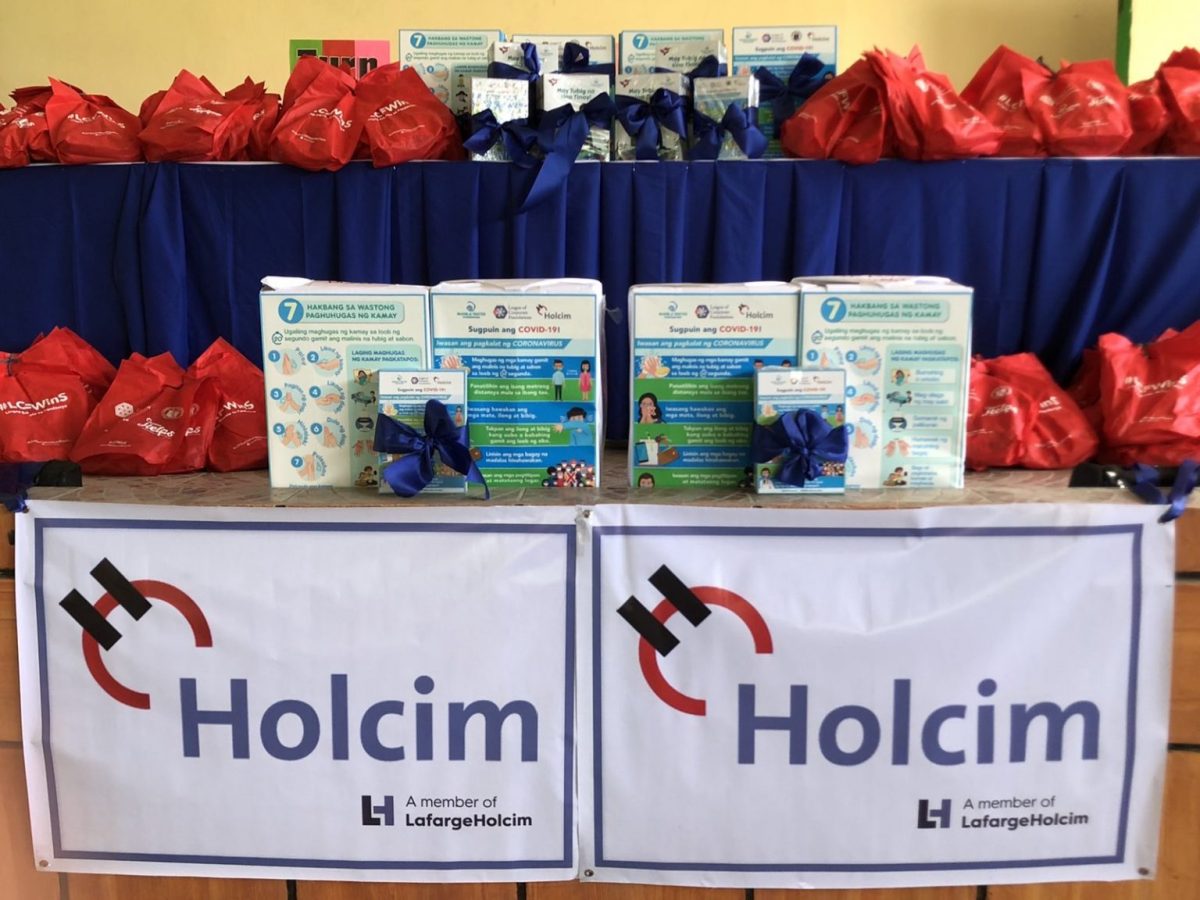
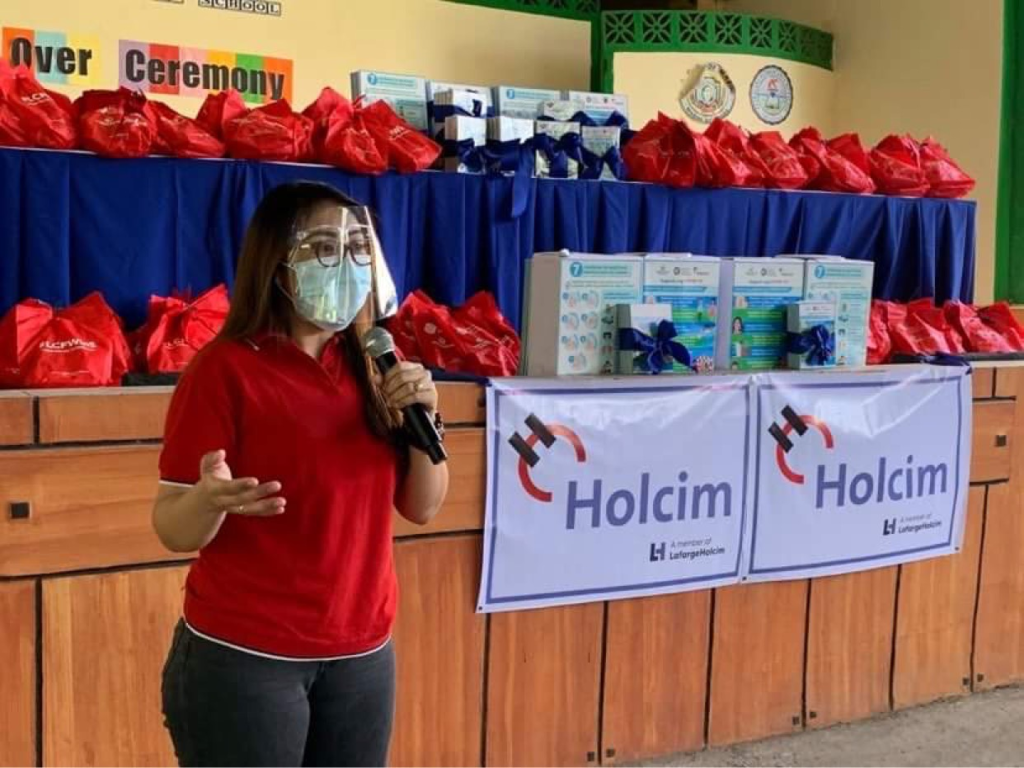
Holcim Philippines turns over hygiene kits, WASH storybooks, and info-education materials on proper handwashing and COVID-19 prevention for the learners of Sapang Kawayan Elementary School in Norzagaray, Bulacan. The Municipal Rural Health Unit represented by its Head Nurse Marilou Palad, and Brgy. Matictic represented by its Chairman Hon. Marcial S. Lucas, also receive IEC materials to help strengthen its campaign on proper hygiene to fight COVID-19.

This initiative is under the #LCFWinS: Lingap Eskwela sa Pandemya, a collaboration of corporations and corporate foundations with LCF Committee on Education and Committee on Health as Project Champions and Manila Water Foundation as Project Implementer, in support to the WASH in Schools Program of the Department of Education.

Categories
LCF News

#LCFWinS Turnover Ceremony 2, 02 October 2020 : Holcim Philippines Inc.

Holcim Philippines turns over 300 pieces of IEC materials about COVID-19 precautionary measures and proper handwashing to the Rural Health Unit (RHU) of Mabini, Batangas on October 2 as received by its Municipal Health Officer, Dr. Ramir Beloso. The materials will be distributed to the stakeholders of the RHU, namely Mabini Community Hospital, as well as Barangay Health Centers, transport stations, and public markets.

This initiative is under the #LCFWinS: Lingap Eskwela sa Pandemya, a collaboration of corporations and corporate foundations with LCF Committee on Education and Committee on Health as Project Champions and Manila Water Foundation as Project Implementer, in support to the WASH in Schools Program of the Department of Education. Manila Water Foundation serves as the lead implementer of the LCFWinS project.

Categories
LCF News

#LCFWinS Turnover Ceremony 1, 10 September 2020 : Holcim Philippines

Holcim Philippines turns over 200 packs of hygiene kits, washable face masks, WASH storybooks, and info-education materials on proper handwashing and COVID-19 prevention for the students of Talaga Elementary School and Mabini Central School in Batangas. The community members of Brgy. Talaga East and Brgy. Pulong Balibaguhan also receive posters and flyers to strengthen its campaign on proper hygiene to fight COVID-19. 


The ceremony was attended by School Principals – Ms. Doris Panopio of Talaga Elementary School and Ms. Gilma Porley of Mabini Central School, Barangay Captains – Hon. Arnel Matuloy of Brgy. Talaga East and Hon. Marilyn Beloso of Brgy. Pulong Balibaguhan, Holcim Philippines Operations Manager – Ms. Catherin Guinto and LCF Board Secretary – Mr. Reginald Andal. 


This initiative is under the #LCFWinS: Lingap Eskwela sa Pandemya, a collaboration of corporations and corporate foundations with LCF Committee on Education and Committee on Health as Project Champions and Manila Water Foundation as Project Implementer, in support to the WASH in Schools Program of the Department of Education.

Categories
LCF News

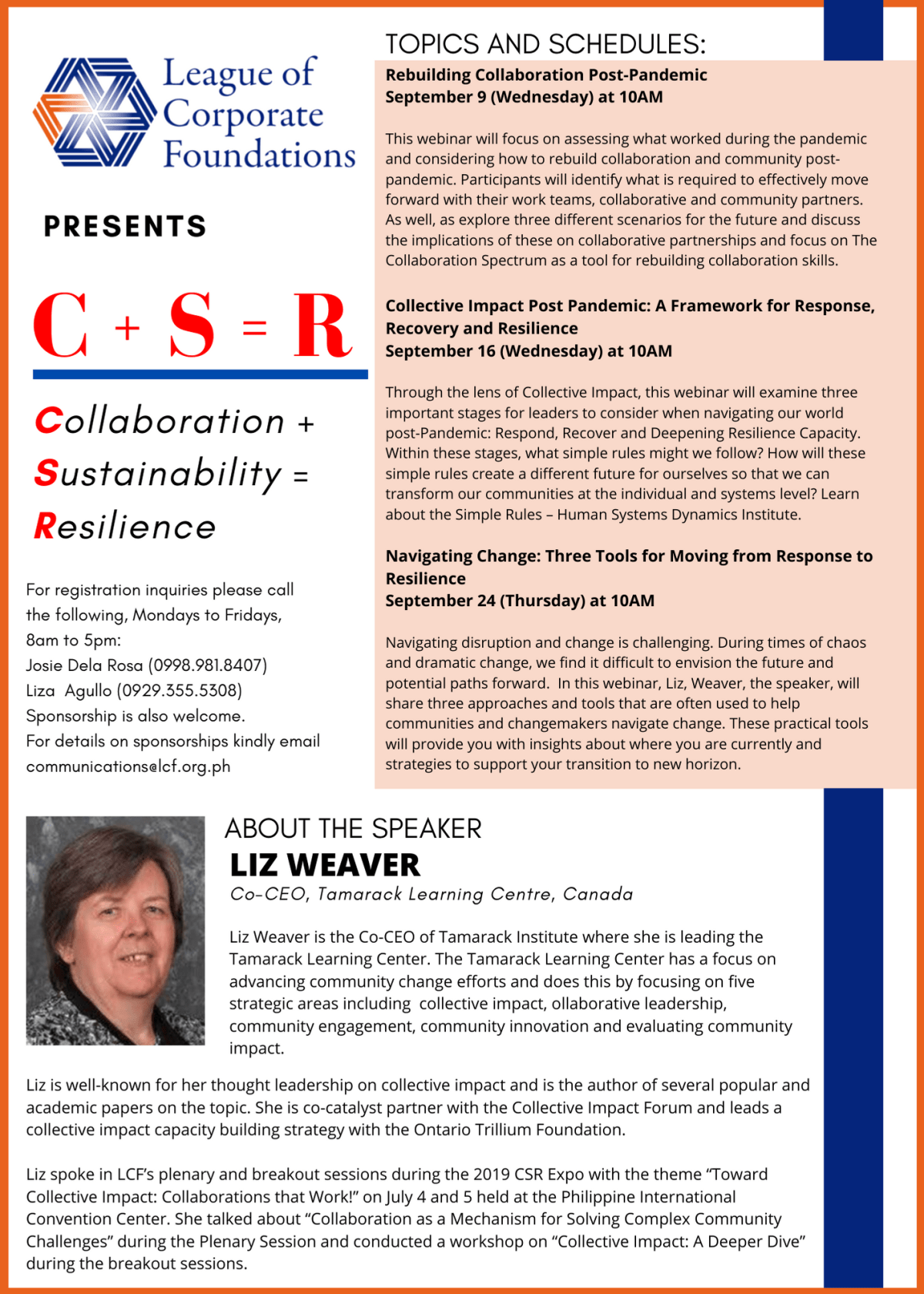
LCF C + S = R (Collaboration + Sustainability = Resilience) Webinar Series with Liz Weaver

Come and join LCF’s C + S = R (Collaboration + Sustainability = Resilience) Webinar Series with Liz Weaver.

We hope the webinars will assist corporate foundations and organizations maintain clarity of their societal purpose and be able to reimagine social change during these uncertainties brought about by the COVID-19 Pandemic.

For registration and sponsorship inquiries, email communications@lcf.org.ph

Categories
LCF News

LCF CSRI conducts Grant-proposal Writing Workshop in Baguio

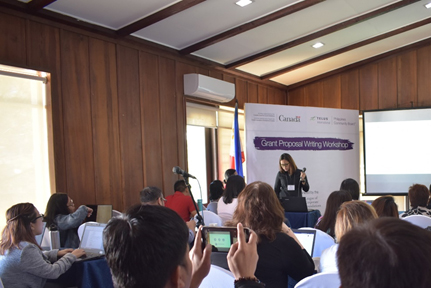
BAGUIO CITY—In partnership with the Embassy of Canada, and TELUS International Philippines Community Board, the League of Corporate Foundation’s (LCF) Corporate Social Responsibility Institute (CSRI)  conducted a Grant-Proposal Writing Workshop last March 20-21 at the Azalea Hotels and Residences, Baguio City.

The workshop aims to (1) explain the importance of grant proposal writing process, (2) create and present a clear and logical framework of a grant proposal for their organization vis-à-vis objectives and motives of the grant funders, and (3) develop a positive appreciation of grant-writing and other tools for collaboration and partnership.

Veronica Ester “Boots” Mendoza, evaluator of the Philippine Council for NGO Certification (PCNC) and Joseph Cubar of International Association for Volunteer Effort Philippines (IAVE) facilitated the lecture-presentations.

The topics discussed were grant-writing as a collaboration and partnership tool, matching the right project with the right donor, identifying components of a project proposal and improving one’s writing skills.

One of the attendees mentioned that the activity was relevant and innovative particularly to non-government and civil organizations.

The two-day writing workshop was attended by twenty-six (26) participants coming from LCF members, partners and networks.

Categories
LCF News

2019 LCF CSR Guild Awards

Winners:

A. Program Category

1.Outstanding CSR Project in Arts and Culture
KADTU KAMO!: Lamlifew Village Museum’s Eco-Cultural Tourism Experience (ABS CBN Foundation, Inc.)

In the beautiful province of Sarangani, a group of women converges for collective bead working, child care and quiet talk. As visitors enter their homey space, they are received by calmness and serene energy of these women. Most of all, an enlightening experience about the rich culture of the Blaan Tribe awaits them.

They are called the Lamlifew Village Museum and School of Living Traditions managed by the Lamlifew Tribal Women’s Association (LTWA). It is located in the Sarangani Province, one of the sites of Bantay Kalikasan (BK), the environment arm of the ABS-CBN Lingkod Kapamilya Foundation, Inc. (ALKFI).

What makes Sarangani and Lamlifew stand out among the other sites is its cultural uniqueness and how the indigenous group, particularly women, are so empowered, taking the lead in promoting their rich culture to the world. They are also superb dream weavers, creating a tapestry that showcases their rich culture. The designs they create are formed out of their dreams. The women also play indigenous musical instruments which add to the welcoming vibe of their place.

With these undertakings, Lamlifew Village Museum was recognized by the National Museum of the Philippines as the only community-based living museum managed by an indigenous women group, while School of Living of Traditions (SLT) has been recognized by the National Commission for Culture and the Arts (NCCA) as the best implemented SLT in the country which was conferred during the 2nd School of Living Traditions Summit in 2014.

Despite these recognitions, Lamlifew Village Museum and School of Living Traditions did not have much visitor traffic since its establishment in 2005 by the local government. Blaans once also lacked enough knowledge about their cultural past especially the younger ones.

It can be linked into two major causes – weakening practice of their culture and ethnic discrimination. Elders were the only ones who strictly abided by their rules. It can also be pointed out that the lack of documentation about their ancient beliefs and practices worsened the problem. Most of the tribe’s previous knowledge were shared orally and were commonly unstructured.

It was in 2014 when Bantay Kalikasan started its environmental advocacies by implementing socio and eco-cultural projects to help preserve the tribe’s arts and culture. The interventions also helped provide a sustainable livelihood for the Women of Blaan.

Bantay Kalikasan’s intervention to Lamlifew was never intrusive. No big infrastructure was built, only a small visitor center to welcome the guests and refurbishing the old cafeteria and weaving center. Bantay Kalikasan, since the beginning, respected the culture and practices of Blaan Tribe.

———
2. Outstanding CSR Project in Education
Project Liadlaw (Vivant Foundation, Inc.)

Project Liadlaw’s initial goal was to address DepEd’s project of electrifying off-grid schools by using our experience in rooftop solar. We identified Hilotongan Integrated School in Bantayan, Cebu, as the recipient of solar equipment to fulfill 50.05 kWp capacity for full electrification including a

computer laboratory though which they can teach their ICT TVL courses. However, initial studies showed a lack of sustainability in similar project due to donated equipment breaking down due to the local communities being uneducated in the equipment they’d received.

Project Liadlaw’s second component addresses these concerns by taking the existing Senior High School TVL course in Electronic Installation and Maintenance (EIM) and integrating solar technology into the curriculum. A senior high school in the municipality of the electrified off-grid school would have their EIM teachers trained and certified in solar technology in order to teach the new curriculum and receive equipment for both the standard EIM curriculum as well as solar equipment for the new curriculum. In exchange, the teachers and students would periodically inspect, maintain and repair the equipment at Gilotongan, giving them work experience in technology whose demand is increasing and providing technical skills needed by future electricians. A second school was identified in Metro Cebu in order for these skills to be available as Vivant expands our presence in solar rooftop in our home province. This combines the business needs of the corporation with its CSR efforts in its home community.

———
3. Outstanding CSR Project in Enterprise Development
Agri-Preneurship Project for Marawi Internally Displaced People (Aboitiz Foundation, Inc.)

This project aims to transform the IDPs into farmer entrepreneurs, enabling them to manage and operate a viable, competitive, and resilient agri-business. The three-year project, implemented in partnership with G o Negosyo and Pilmico Foods Corporation, aims to organize and build the capacities of the IDPs into a farmers association; build their capacities on corn production; establish and expand its corn farm; accelerate farm productivity through essential post-harvest machinery and infrastructure; and establish a steady market through market linkage, quality assurance, and timely delivery of farm produce. Other partners include Jardine Distribution, Inc. and TESDA, Department of Agriculture, and Mindanao State University that also provide relevant technical support on yellow corn production to the farmers of MBA.

After being formally organized, MBA received training sessions and coaching on corn production and entrepreneurship. It was then provided with the standards for the required supply of corn and was accredited by Pilmico as an official yellow corn supplier. This project reports an 80% increase in income to the families directly involved in the planting of corn. Other members who were involved in various activities such as shelling, drying, bagging, and delivery had various levels of income increases. Its first harvest of 28 tons generated for them a revenue of half a million pesos.

By being able to do work and become productive, members of MBA slowly gain back their sense of pride and self-respect. As it expands its production, it is able to generate interest from corn farmers in Balo-i to supply corn to MBA for drying. Eventually, MBA will become a consolidator so that it can also help other farmers of their host municipality. This is also opening doors for Muslim and Christian farmers to work together in this venture. Building on these gains, the Aboitiz Foundation, Pilmico, and Go Negosyo intend to further help the group to attain organizational sustainability and scale up its production taking advantage of available land in Balo-I and significant demand for yellow corn.

———
4. Outstanding CSR Project in Environment
BINHI Project (Energy Development Corporation)

The Energy Development Corporation (EDC) is the largest renewable energy company in the country with operations in Ilocos Norte, Nueva Ecija, Bicol Region, Negros Island, Leyte, and North Cotabato. Our project sites are located inside key biodiversity areas with high biodiversity index. These areas are also sites with ironically high poverty index and degraded ecosystems, hence known as biodiversity hotspots.

Before EDC came into these areas, rampant illegal logging and kaingin, or slash-and-burn farming, were common socio-economic pressures to the natural resource driven by the lack of alternative livelihood. With the need to reforest degraded lands and to address the plight of the upland communities surrounding our operations, EDC (then known as PNOC-EDC) organized the communities into associations. These communities were mainly composed of farmers and kaingeros. Their basic source of income was slash-and-burn farming, illegal tree and wildlife poaching, with some of them involved in livestock raising.

Among the Corporate Social Responsibility (CSR) projects EDC used to reach its communities and to provide for their needs is the BINHI project. BINHI is the country’s first comprehensive private sector-led reforestation program, which started in 2009. BINHI aims to reforest 10,000 hectares of open forest lands within the geothermal reservation in ten years. It is an innovative approach to planting trees with the goal of: 1) restoring forests and biodiversity; 2) sustaining the health of the watersheds that support the geothermal operations; 3) rescuing vanishing threatened native hardwood tree species that are best species for carbon mitigation; and 4) provision of livelihood to the communities.

As of 2018, BINHI has provided various physical, socio-economic and environmental accomplishments. As of 2018, 96 species of vanishing endangered hardwood trees were identified, collected from the wild, and are currently being propagated by EDC through its Vegetative Material Reproduction (VMR) technology. Moreover, around 9,323 hectares of land within and surrounding EDC project sites has been rehabilitated. This is equivalent to about 6.4 million seedlings planted all over the country in partnership with 109 farmers associations. In terms of socio-economic impacts, a BINHI asset index study conducted by the University of the Philippines Los Baños Foundation Inc. (UPLBFI) in 2017 showed that BINHI beneficiaries have significantly higher human/capital asset than non-BINHI beneficiaries. Because of the capacity developed by farmers under BINHI, they are now confident to link and accept grants from other institutions to sustain their organizational goals and initiatives. More and more our BINHI farmer associations are becoming self-sustaining and establishing their own enterprise. They have also developed sincere and genuine concern for the environment which makes them active stewards of their own forest resources. The case of Baslay Farmers Association (BFA) is just one of the many success stories that can be derived from the BINHI stories. Overall, our BINHI experience shows that, with the right combination of win-win strategies and partnerships, the triple bottom line of environmental, social, and economic transformation is attainable.

———
5. Outstanding CSR Project in Health
Ideas Positive (Unilab Foundation, Inc.)

Ideas Positive was founded on the belief that the youth can turn their ideas into positive outcomes. The program is recognized as the Philippines’ premier youth engagement program for health, with over 36,000 youth empowered and 2.2 million Filipinos served in over 250 communities nationwide.

The youth, who comprise 25 percent of the world’s population, are viewed as the leaders of the future. In the Philippines alone, over 40 million youths are part of the untapped pool with the potential to become key partners in policy and programming to support the local and national government. Over the years, Ideas Positive has proven that investing in youth engagement will yield enormous benefits for both the youth and society, particularly in improving the health landscape of the country.

Through a nationwide competition, Ideas Positive enables the youth to transform their communities with their innovative ideas. The program is designed to be youth-centric and aligns with the United Nations’ Sustainable Development Goals, enabling the youth to become global citizens and leaders in the process.

On its eighth year, Ideas Positive opened its call for entries from the youth through iSTORYA: Stories of Youth in Action, a series of roadshows nationwide, spearheading discussions among the youth about pressing health issues in their communities and solutions to address them. From over 100 entries received, Ideas Positive identified 16 youth teams to receive seed money and attend a three-day boot camp designed to equip them with project implementation skills. Within six months, the teams collectively transformed 35 communities and engaged over 100,000 youth volunteers.

The outcomes of their projects were highlighted in the Ideas Positive Youth Forum on Public Health, where more than 1,000 youth leaders from the Philippines and Southeast Asia participated. It was lauded as the largest youth gathering for public health in the country, supported by key partner organizations such as UNICEF Philippines, Department of Health, Department of Interior and Local Government, National Youth Commission, Commission on Higher Education, Sun Life Foundation, and OPPO Philippines. The Forum also resulted in the drafting of the first National Youth Declaration for Healthier Communities, adopted by the National Youth Commission, and forwarded to relevant government agencies.

Apart from improving the health status of communities across the country, Ideas Positive has made an impact through every youth enabled, empowered, and inspired to become leaders and agents of change in their communities. The Ideas Positive Alumni Community serves as a network of youth mentors whose collective voice now represents the youth in local health boards of barangays and municipalities. They also serve as speakers and facilitators of youth engagement programs for health in national and global conferences.

B. Collaboration Category

Outstanding CSR Collaboration Project

60 Corporate Foundations for 1 Collaborative Project: A Story of Talaga Elementary School (Knowledge Channel Foundation, Inc.)

The League of Corporate Foundations (LCF) Committee on Education (CommEd) believes that each of the member-foundations portray integral roles in assisting the improvement of the Philippine education system. Separately and collectively, in collaboration with other education partners, LCF CommEd members create and implement programs that address the needs and challenges in the educational conditions of their beneficiaries. Such is the case of their project in Talaga Elementary School, a previously underdeveloped school situated in a remote area in Rizal province.

Talaga Elementary School is accessible through a feeder rough road in the mountainous Brgy. Maybancal, Morong, Rizal. Besides its remote location, it has been dealing with abrupt increases in learner enrollment through the years caused by the relocation of residents into the community. With the high volume of enrollees arriving annually and the influence of other circumstances such as insufficient teaching workforce, lack of school facilities, poor nutritional status of children, and low National Achievement Test (NAT) results, the expansion and improvement of the school’s services are necessary to meet the growing demands of its stakeholders.

The project operated under the premise that with improved stakeholder support from various education sectors and systemic reforms can the school improve its services and better work towards its goals. Given the resources and expertise that LCF CommEd members have, it aimed to provide learning resources, school feeding program, sports training and educational trips for the students, and professional development programs on gardening and teaching for its teachers.

After all the programs have been executed in the school, the school leaders and teachers were consistently invited to the Committee’s Regular Meeting and Brown Bag Session every last Friday of the month to deliver accounts of achievements made by the school. Talaga ES reported many positive changes in their students, teachers, and even their system, which they believe can be directly attributable to the collaboration that they had with the Committee.

Apart from the help that came from LCF CommEd, the school made its own action plans to cope with its own problems. One step at a time, their story proves that when stakeholders come together and efficiently manage resources for a united goal, nothing can go wrong.

Categories
LCF News

Corporate Social Responsibility, Sustainable Development and Collective Impact

Corporate Social Responsibility, Sustainable Development and Collective Impact

Posted on August 6, 2019 via
https://www.tamarackcommunity.ca/latest/corporate-social-responsibility-sustainable-development-collective-impact

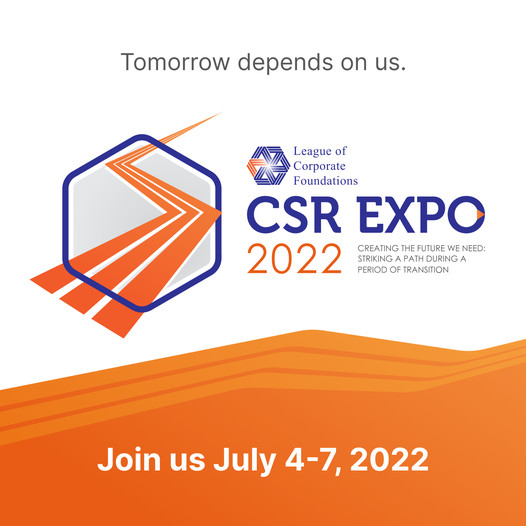
More than 500 foundation leaders attended the Philippines League of Corporate Foundations annual Corporate Social Responsibility (CSR) Expo in Manila in July.  Highlighting the themes of collaboration and collective impact, the CSR Expo also focused on the progress being made on the United Nations 17 Sustainable Development Goals. 

The League of Corporate Foundations invited the Tamarack Institute to share its insights weaving together the themes of collaborative leadership and collective impact through a plenary keynote and two workshops.  Corporate foundations in the Philippines are deeply engaged in funding and leading collaborative and community change efforts across the country.  Their commitment to investing in communities was evident through the presentations of plenary speakers who shared innovative projects including investing in local entrepreneurship to eradicate poverty, education, housing and technology. 

Collective impact is still in the very early stages of both development and investment.  The CSR conference provided a platform to share with delegates how collective impact is a cross-sectoral approach which can tackle complex problems at scale. 

An important theme of the CSR Expo was the UN Sustainable Development Goals (SDGs) and the progress being achieved in the Philippines.  The SDGs were adopted by all nations in 2015 and are a shared global blueprint for countries and organizations to work collaboratively toward a sustainable, peaceful and prosperous future for all people and the planet.

Significant progress is being made in the Philippines on the SDGs as many of the goals are in parallel with the Philippine Development Plan.  Corporate foundation leaders were encouraged to continue their deep investments in communities and to continue to build the culture of collaboration across the country. 

Participating in the League of Corporate Foundations CSR Expo provided insights into the global importance of the United Nations Sustainable Development Goals and how countries and corporations can play an important role in advancing these goals.  The CSR Expo also highlighted the critical importance of investing in collaboration, skills building and exchange across sectors and people. 

To know more about Tamarack Institute and Collective Impact, visit http://www.tamarackcommunity.ca.